Cryptocurrency & Risk Awareness
From Free Airdrops to Hard Lessons: My Journey into Cryptocurrency
Early experiments with digital assets, a failed platform and the questions I now ask about the institutions that hold my money.
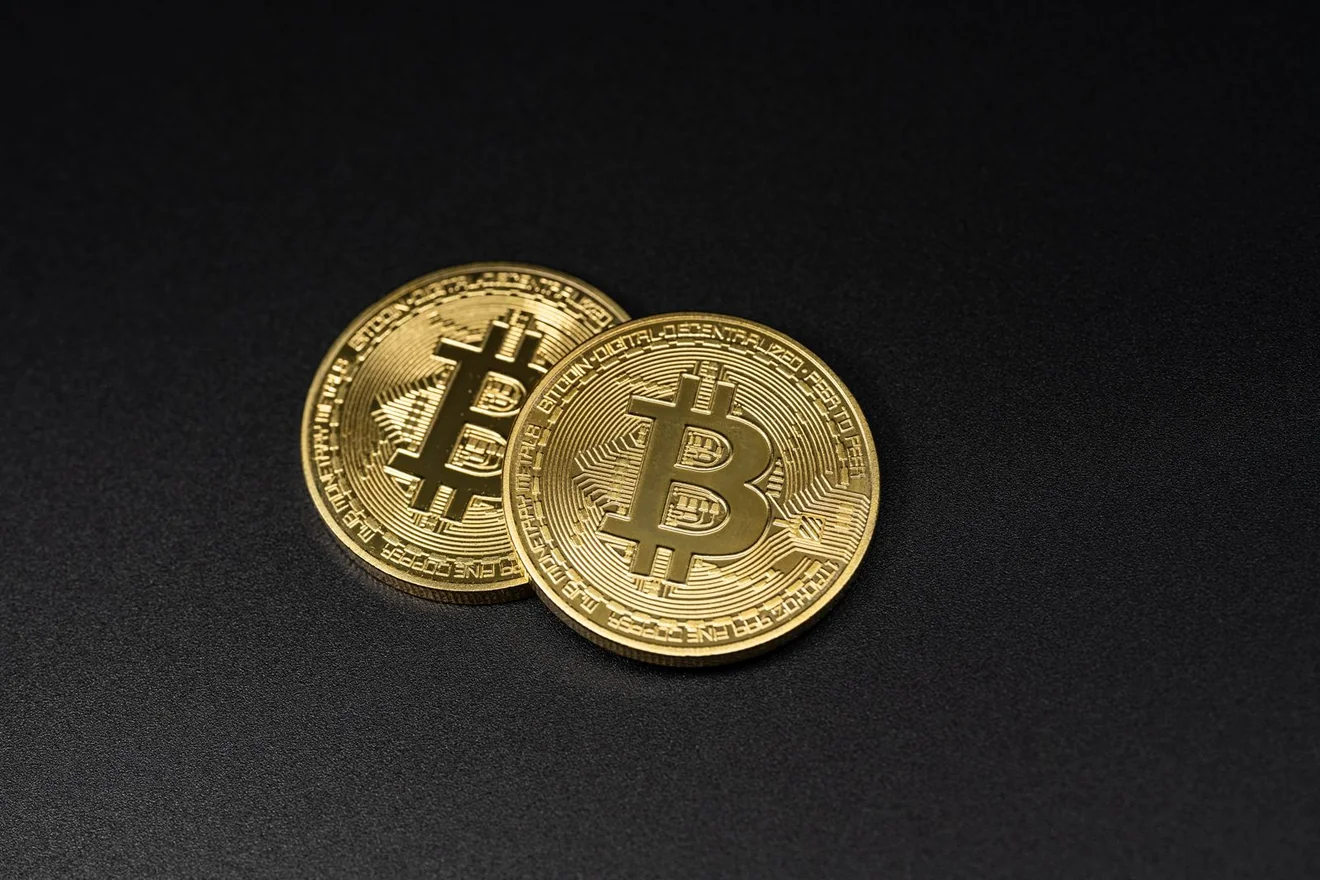
It Started with Curiosity
My journey into cryptocurrency began in 2016, not with a sophisticated investment strategy, but with curiosity.
I wanted to understand Bitcoin, blockchain technology and what made decentralized systems different from traditional financial institutions. Rather than committing significant money immediately, I started experimenting.
Learning by Doing
In the beginning, I was particularly fascinated by free cryptocurrency airdrops, promotional offers and deposit bonuses.
I registered with different platforms, explored their services and occasionally made small deposits to qualify for bonuses. Sometimes the bonus itself represented a modest return, but the experience was much more valuable than the money involved.
I experimented with transferring cryptocurrencies between platforms, understanding transaction costs, exploring wallets and learning how different blockchain networks operated.
As decentralized finance and NFTs developed, I explored those too, generally with small experiments. I was learning through practical use, not simply reading about the technology.
Becoming a More Serious Investor
Around 2021, after several years of experimentation, I began committing more capital to cryptocurrency.
I explored staking, different platforms and ways of holding digital assets. I also purchased a Ledger hardware wallet, giving me firsthand experience with self-custody, private-key security and the responsibilities of safeguarding assets independently.
Over time, cryptocurrency became part of my broader personal investment activities.
But not every decision worked out.
The BlockFi Lesson: When a Platform Fails
One of my most important lessons came from using BlockFi, a cryptocurrency financial-services platform that ultimately entered bankruptcy.
I had funds on the platform when it failed. Suddenly, the question was no longer whether my cryptocurrency might appreciate. It was whether I could recover the assets I had entrusted to an intermediary.
Recovering assets meant entering the bankruptcy process, with no certainty that I would recover the full account value.
The experience introduced me to U.S. bankruptcy documentation, creditor claims, recovery procedures and the legal mechanisms involved when a company collapses. It was frustrating and unexpectedly educational.
I learned that owning an asset and being able to access or recover it are two different things.
A platform can appear convenient, established and technologically sophisticated while still exposing customers to significant counterparty risk.
The experience changed how I think about where I hold my money.
Looking Beyond Investment Returns
After BlockFi, I became more interested in the financial strength, custody arrangements and protections offered by the institutions and platforms I use.
I began asking questions such as: Who actually holds or controls my assets? What happens if the institution becomes insolvent? Are customer assets segregated from the company’s own assets? What legal protections and recovery mechanisms exist? Am I concentrating too much exposure with one provider? What security, backups and safeguards should I maintain?
These questions extended beyond cryptocurrency. They influenced how I evaluated banks, brokers, custodians and financial institutions more generally.
My Biggest Lessons
Curiosity can be a valuable starting point. Small experiments helped me understand unfamiliar technologies before increasing exposure.
Every investment carries different types of risk. Price volatility is only one dimension. Custody, platform solvency, liquidity, fraud and operational mistakes also matter.
Diversification goes beyond the assets you own. Where and how assets are held can create concentrations of risk not visible in a conventional asset allocation chart.
Security requires active responsibility. Self-custody reduces some intermediary risks but introduces responsibility for private keys, backups and potentially irreversible mistakes.
Financial losses can teach valuable lessons. BlockFi permanently changed the questions I ask before trusting a financial institution.
Still Curious, But More Risk-Aware
Nearly a decade after my first cryptocurrency experiments, I remain interested in the technology.
What began as collecting free tokens and testing unfamiliar platforms became part of my wider understanding of investing, custody and institutional risk.
I still enjoy exploring financial technology, but now place much greater importance on knowing what I own, where it is held and what can happen when things go wrong.
A note on this article
My personal experience, shared for education and reflection—not investment advice or a recommendation for any specific cryptocurrency, exchange, broker or wallet.